

 LOCATIONS
Introduction
PPE selection today looks very different from how it did even a few years ago. Industrial work has changed not just in terms of risk exposure, but also in how tasks are executed, how long protection is worn, and how environments affect performance. As a result, industrial PPE selection is no longer solely about meeting minimum standards on paper; it’s increasingly about how equipment actually behaves during real work.
According to OSHA, PPE selection should be conducted on the basis of workplace hazard assessments that identify hazards and the appropriate protective measures, including PPE tailored to those risks. Employers are also required to ensure PPE fits comfortably and encourages proper use.
Across high-risk industrial settings today, conversations around PPE selection tend to focus on four closely related considerations: comfort, fit, task, and environment.
Comfort: Why Wearability Becomes a Performance Factor
In many industrial environments, PPE is no longer worn only during short, high-risk moments. It is worn across entire shifts ie. during preparation, execution, and clean-down.
As wear time increases, comfort stops being a secondary consideration and becomes something workers notice very quickly during use.
Common Comfort-Related Issues
- Heat buildup during extended wear, especially in enclosed or poorly ventilated areas
- Pressure concentration on the head, neck, or shoulders after several hours
- Restricted airflow, leading to fatigue or discomfort over time
- Weight fatigue, particularly when PPE is worn continuously across long shifts
- Frequent micro-adjustments made to relieve discomfort during work
These issues rarely surface during initial evaluation or short trials. They tend to appear after PPE has been worn through a full shift, or across repeated tasks over several days.
PPE design features that become relevant for comfort
As comfort becomes a practical concern, teams often pay closer attention to design elements such as:
- Airflow pathways and ventilation design to manage heat buildup
- Balanced weight distribution to reduce neck and shoulder strain
- Padding and contact materials at key pressure points
- Integration between components, ensuring one element doesn’t increase discomfort elsewhere
- Stability during movement, reducing the need for constant readjustment
For example, PPE that feels manageable during short tasks may become noticeably fatiguing once worn continuously, especially in warm or physically demanding environments.
Why this matters in real operations
In practice, discomfort doesn’t usually stop work — it changes how work is done. Workers may pause more often, adjust equipment between tasks, or unconsciously alter posture to compensate.
Over time, these behaviors influence how PPE is perceived and discussed. Comfort becomes less about personal preference and more about whether protection can realistically support the duration and intensity of the work being performed.
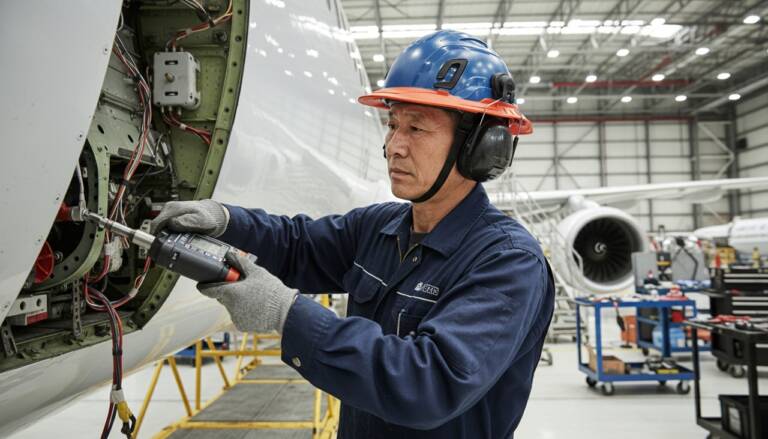
Comfort for workers in Aerospace MRO
During extended maintenance work inside aircraft fuselages, technicians often wear head and respiratory protection continuously for several hours. Comfort-related feedback tends to surface mid-shift, as heat buildup and neck fatigue accumulate — particularly when work requires frequent repositioning in confined spaces.
Fit: Why PPE Must Accommodate Real People and Real Movement
Fit issues rarely announce themselves during procurement or onboarding. They surface during use — often gradually, and often mid-task. Industrial teams are diverse, and PPE is expected to work across a wide range of body types, facial features, and working postures. As PPE systems become more integrated, fit becomes more noticeable and more consequential.
Common fit-related ISSUES
- Pressure points developing over time at contact areas
- Restricted or distorted visibility when looking down, sideways, or upward
- Interference between PPE components, especially head and respiratory protection
- Stability issues during movement, such as bending, climbing, or working overhead
- Difficulty accommodating facial hair or personal protective accessories
These challenges don’t necessarily indicate that PPE is inadequate — but they do influence how consistently and comfortably it is worn.
PPE design features that become relevant for fit
As fit becomes a day-to-day concern, teams often focus on features such as:
- Multi-point suspension or retention systems to distribute load more evenly
- Adjustability mechanisms that allow fine-tuning without excessive tightening
- Clearance and geometry design to reduce interference between components
- Stability during movement, keeping PPE properly positioned as tasks change
- Accommodation for user variability, rather than assuming a single “average” wearer
For example, PPE that fits acceptably during static work may shift or feel unstable once the wearer begins moving frequently or working overhead.
Why this matters in real operations
In real environments, poor fit doesn’t usually result in immediate rejection. Instead, it shows up as small compromises — workers tolerating pressure, adjusting equipment mid-task, or accepting reduced visibility.
Over time, these fit-related observations influence PPE discussions. shifting from meeting requirements towards whether it fits the people doing the work, for the way the work is actually carried out.
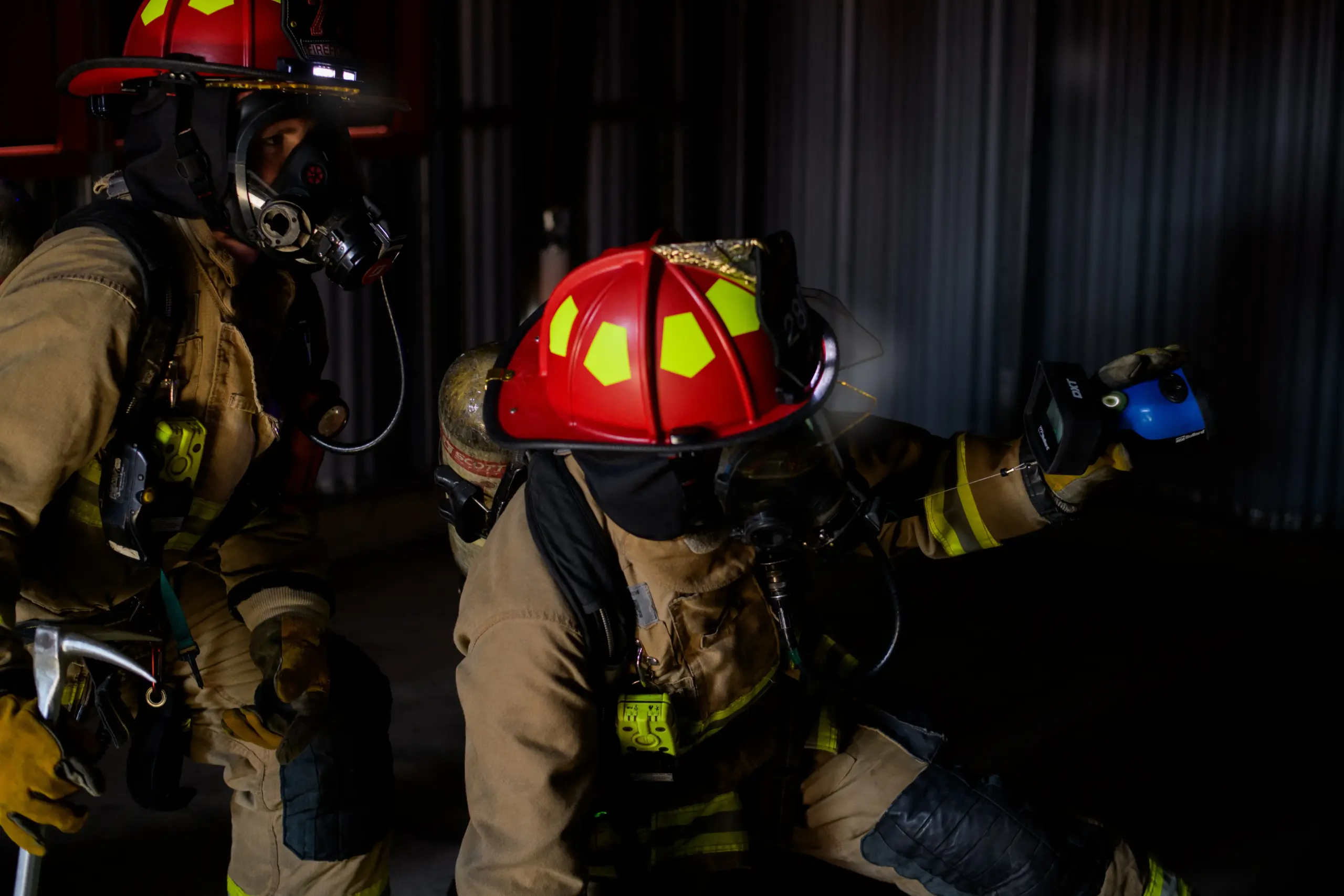
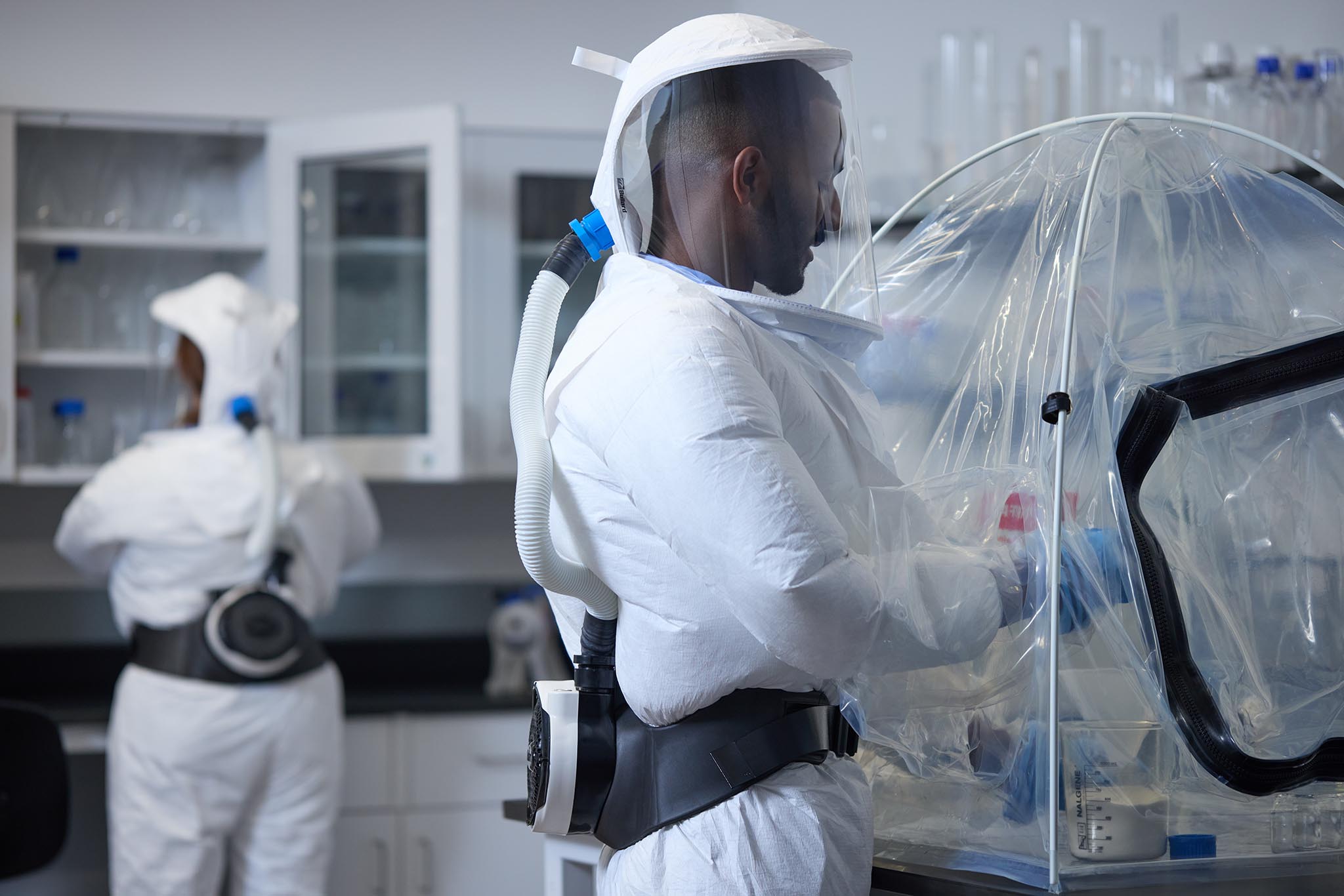
Fit in controlled production environments
In pharmaceutical and chemical production environments, PPE is often worn continuously while operators move between monitoring, material handling, and equipment intervention tasks.
Fit-related issues tend to surface when equipment shifts during movement or fails to maintain a consistent seal over time — particularly during long shifts. Rather than being immediately obvious, these issues often appmfort, pressure points, or concerns around hygiene and containment integrity, especially when PPE must be worn repeatedly across multiple work cycles.
Task: Why PPE Selection Changes with the Work Being Done
PPE performance is closely tied to the task being performed, not just the hazard category assigned to a site. Even within a single facility, industrial work often shifts between tasks with very different demands. Maintenance, inspection, surface preparation, painting, or repair work may all take place in the same area, yet place entirely different pressures on PPE. In practice, task-driven PPE challenges often manifest in predictable ways.
Common task-related ISSUES teams encounter
- Visibility limitations during precision work such as inspection, alignment, or spraying
- Restricted movement during tasks that require bending, climbing, or working overhead
- Fatigue accumulation during long-duration or repetitive tasks
- Interference between PPE components when switching between activities
- Reduced efficiency when PPE needs frequent adjustment mid-task
These issues don’t usually appear during initial PPE trials. They become obvious once equipment is worn while the work is actually being done.
PPE design features that become relevant at task level
As tasks vary, teams tend to pay closer attention to design elements such as:
- Field of view and visibility geometry (important for inspection, spraying, and detailed work)
- Weight distribution and balance, especially during dynamic or overhead tasks
- Retention and stability systems that keep PPE in place during movement
- Ease of donning, doffing, and adjustment when tasks change frequently
- Compatibility between head, eye, and respiratory protection
For example, a task that involves extended surface preparation may highlight the need for robust impact and rebound protection, while a task focused on precision spraying may immediately expose limitations in visibility or fogging.
Why this matters in real operations
As tasks evolve, becoming longer, more frequent, or more complex, PPE that once seemed adequate can start to feel misaligned. In many cases, teams don’t respond by questioning compliance or protection ratings. Instead, they notice when PPE begins to slow work down, reduce accuracy, or increase fatigue. Over time, these task-driven observations shape how PPE is discussed and evaluated. Selection conversations shift toward practical questions such as:
- Can this be worn comfortably for the full duration of the task?
- Does it support the level of visibility and movement required?
- How does it behave when tasks change throughout the day?
This is why, in real industrial environments, task requirements often become one of the clearest drivers of PPE selection — not in isolation, but in combination with comfort, fit, and environment.
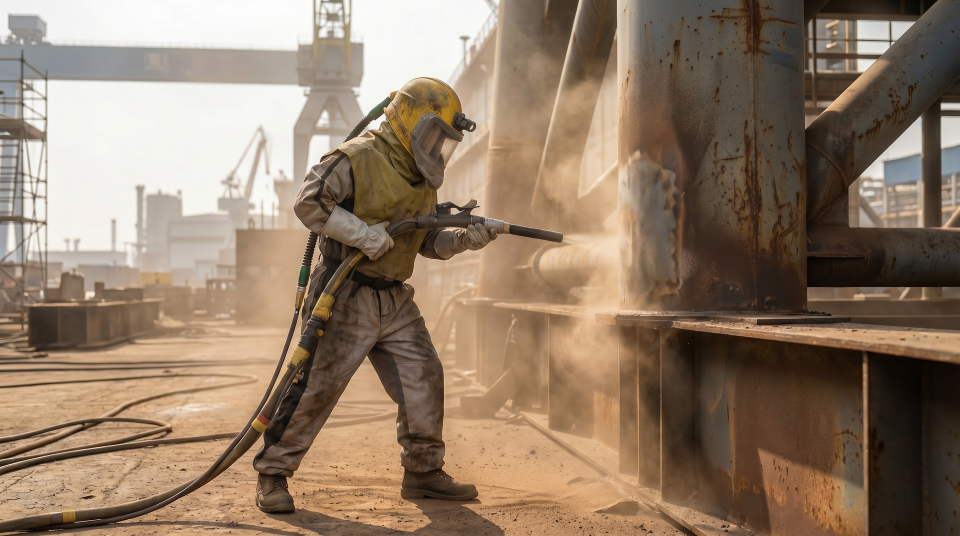
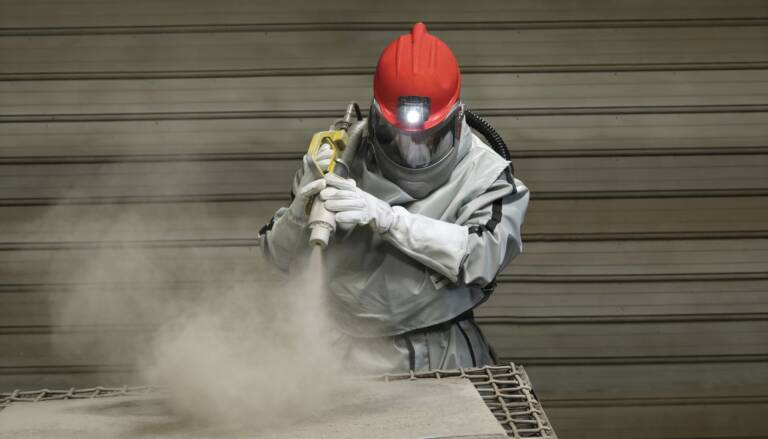
Task-specific protection: abrasive blasting
During surface preparation work, operators often move between active blasting, setup, equipment adjustment, and verification steps. PPE is worn throughout — but the physical demands of each task vary.
While blasting itself is physically intense, longer periods spent adjusting equipment, working in fixed postures, or performing repetitive movements can make weight distribution, balance, and fatigue more noticeable. Over time, PPE that performs well during short, high-intensity activity may feel increasingly burdensome during extended task cycles.
Environment: Why Conditions Shape PPE Behavior Over Time
Environmental conditions play a significant role in how PPE performs during use — often more than anticipated during selection. Temperature, ventilation, dust levels, and space constraints all affect how PPE feels and behaves across a shift. These factors don’t act independently; they compound over time.
Common environment-related ISSUES teams encounter
- Heat stress and discomfort in hot or poorly ventilated areas
- Reduced visibility due to dust, mist, or condensation
- Airflow limitations in enclosed or confined spaces
- Accelerated fatigue as environmental strain builds during long shifts
- Increased adjustment frequency as conditions change throughout the day
These challenges often become apparent only after PPE has been used repeatedly in the same environment, or when work moves between different areas on site.
PPE design features that become relevant in different environments
As environmental effects become more noticeable, teams tend to focus on design considerations such as:
- Airflow management for enclosed, dusty, or hot environments
- Sealing and filtration approaches appropriate to airborne hazards
- Material durability under abrasive, chemical, or high-humidity conditions
- Thermal management or cooling features for extended wear
- Visibility retention, ensuring clear sightlines despite environmental factors
For example, PPE that performs well in open, ventilated areas may feel significantly more demanding once work moves indoors or into confined spaces.
Why this matters in real operations
In practice, environmental strain tends to accumulate rather than appear suddenly. PPE that feels acceptable early in a shift may become increasingly burdensome as heat, dust, or fatigue build. Over time, these experiences shape how teams think about PPE performance. Environment becomes less about theoretical exposure and more about how protection holds up across real working conditions and full work cycles.
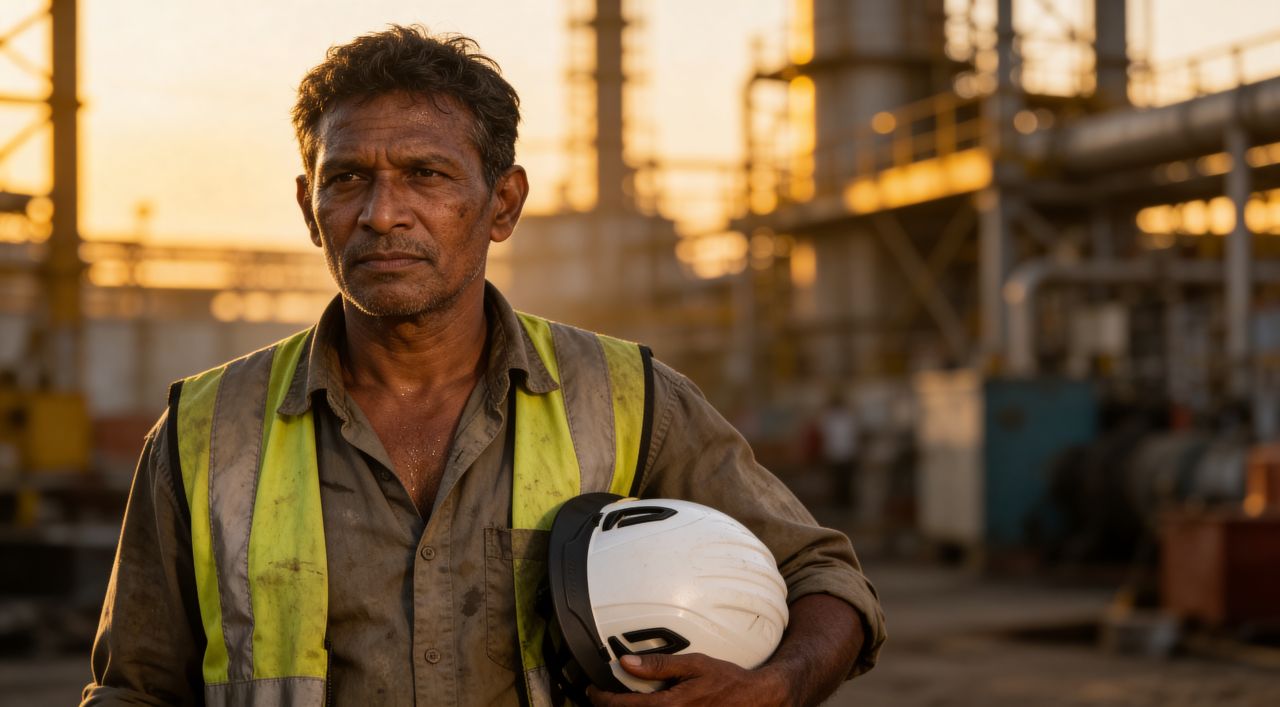
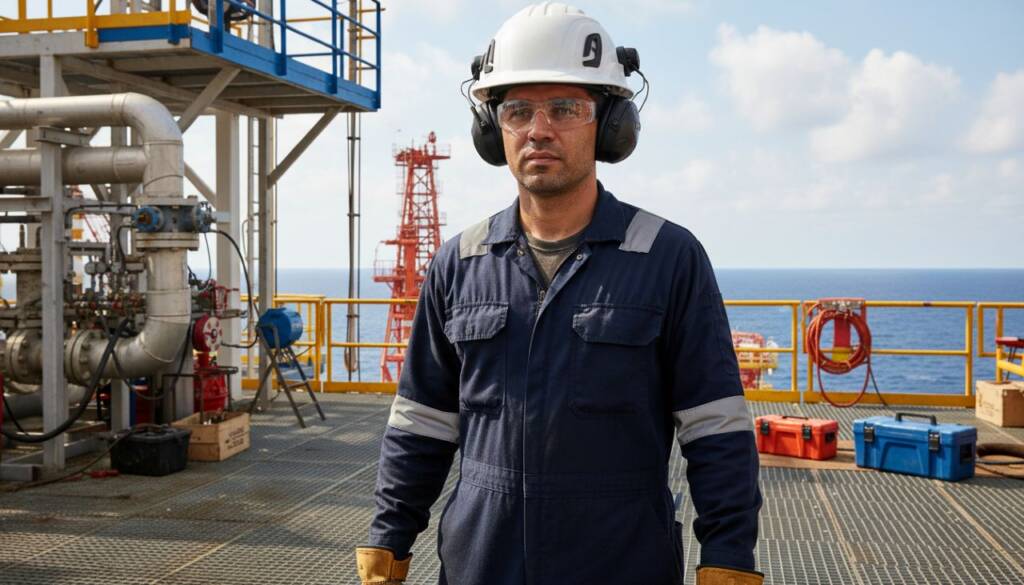
Impact of PPE in an O&G environment
In hot, dusty processing facilities, PPE performance often changes over the course of a shift. Heat stress, reduced airflow, and fatigue tend to build gradually, making endurance and thermal management increasingly noticeable during long maintenance windows.
Bringing Comfort, Fit, Task, and Environment Together
Individually, comfort, fit, task, and environment are often discussed as separate considerations. In real industrial work, they rarely operate in isolation. Extended wear makes comfort more noticeable. Movement and posture bring fit into focus. Changes in task duration or intensity surface limitations that weren’t obvious before. Environmental conditions amplify all of these effects over the course of a shift.
What teams experience on site is not a single point of failure, but an accumulation of small, practical friction points — heat buildup, fatigue, instability, reduced endurance, frequent adjustments — that only become visible during use. This is why PPE selection conversations increasingly shift away from individual specifications and toward how protection behaves during real work. The same piece of PPE can feel very different depending on how long it’s worn, what task is being performed, and the conditions it’s used in.
Taken together, these four considerations form a practical lens through which PPE performance is evaluated on the ground.
A Practical View of PPE Selection in Real Work
Across industries, similar patterns tend to surface repeatedly. Rather than replacing formal selection processes, these observations help explain why PPE performance is often judged through experience, not just documentation.
The table below summarizes the common pain points teams encounter in real operations, alongside the types of PPE design features that tend to come under closer attention as a result.
| Consideration area | Issues observed on site | PPE design features to look out for |
|---|---|---|
| Comfort | • heat buildup during extended wear • neck and shoulder fatigue; pressure points • frequent readjustment | • airflow pathways • weight distribution • padding at contact points • stability during movement • integration between components |
| Fit | • pressure points over time • restricted or distorted visibility • instability during movement • interference between PPE components | • multi-point suspension systems • adjustable retention mechanisms • clearance and geometry design • stability under motion • accommodation for user variability |
| Task | • limited visibility during precision work • restricted movement • fatigue during long-duration tasks • PPE interfering with task flow | • field of view design • balance and weight placement • ease of adjustment • compatibility across PPE elements • impact or rebound protection appropriate to task |
| Environment | • heat stress • dust-related visibility issues • airflow/quality limitations in enclosed spaces • cumulative fatigue across shifts | • airflow/quality management • sealing and filtration approaches • material durability • thermal management or cooling features • visibility retention in harsh conditions |
Closing: A useful Starting Point for the Year Ahead
At the start of a new work cycle, many teams naturally take stock of what still aligns with the way they operate today. PPE selection discussions often begin not with rules or checklists, but with simple, practical questions:
- Does it address and mitigate the identified hazards associated with the task?
- How does this feel over a full shift?
- How does it behave when tasks change?
- How does it hold up in the environments we actually work in?
This article is not a guide or a checklist; it is a reflection of how PPE selection is already being approached in high-risk industrial environments today, one that is shaped by comfort, fit, task demands, and environmental conditions encountered during real work. As these considerations continue to surface across industries, they provide a useful starting point for deeper conversations about how PPE supports the work being done now, and into the year ahead.