



 LOCATIONS
Choosing the right respiratory protection on the job isn’t just about what’s in the air; it’s also about how the work gets done. Tasks vary in duration, workload, ventilation and atmospheric conditions. Therefore, those variables determine whether workers can rely on ambient air or need an external source such as supplied air.
APR: Good for Short, Predictable Tasks
Air-purifying respirators (APR) use filters or cartridges to clean ambient air. They make sense when:
- hazards are known and controlled
- oxygen levels are normal
- exposure duration is reasonable
- ventilation is working
- the task isn’t physically demanding
APR is common in day-to-day fabrication, touch-up coating, basic maintenance and inspection. It’s portable, familiar and fast to deploy — but the worker powers the inhalation. As workload increases, so does breathing resistance and fatigue.
APR breaks down quickly when jobs stretch longer, involve solvents or aerosols, or when ambient conditions start shifting faster than mitigation can manage.
PAPR: Pharma/Life Science Workhorse
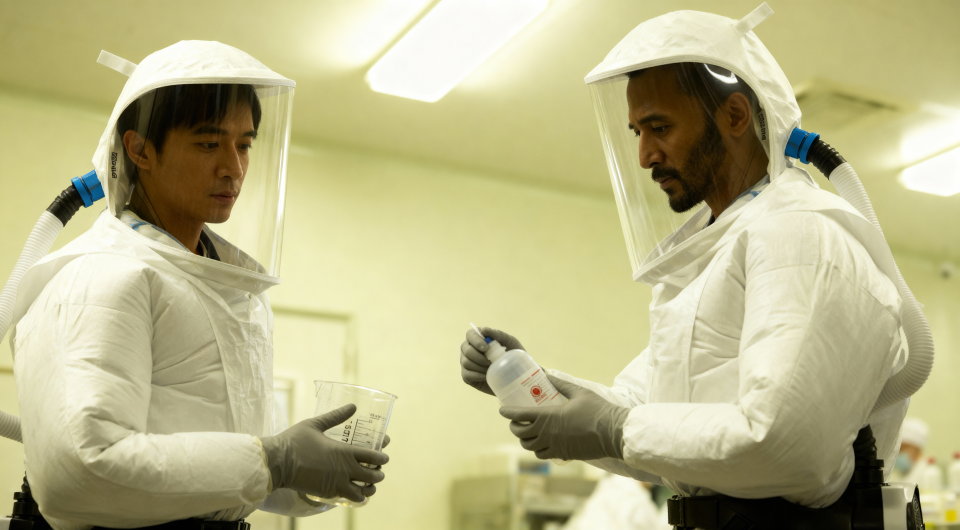
Powered air-purifying respirators (PAPR) solve one of APR’s biggest drawbacks: breathing effort. With a powered fan supplying airflow into a hood or facepiece, fatigue drops and workers stay comfortable during repetitive or long tasks.
PAPR dominates in pharmaceutical and life science environments for a reason:
- batch operations run long
- powders and APIs create airborne particulates
- cleanrooms depend on containment
- workers repeat the same motions for hours
In this segment, the atmosphere is stable and oxygen is reliable — so purifying ambient air is safe as long as filters are sized for the compound risk. The need for Supplied Air only comes into play for high-potency compounds or extended batch durations where comfort and exposure windows push PAPR to its limit.
Supplied Air: When the Job Outlasts the Atmosphere
When the work environment becomes unpredictable, physically demanding or simply too long for filtering, Supplied Air Respirators (SAR) step in.
Unlike APR or PAPR, SAR systems don’t rely on the atmosphere at all. Workers breathe air sourced externally, which eliminates two failure points at once:
- cartridge breakthrough
- ambient dependency
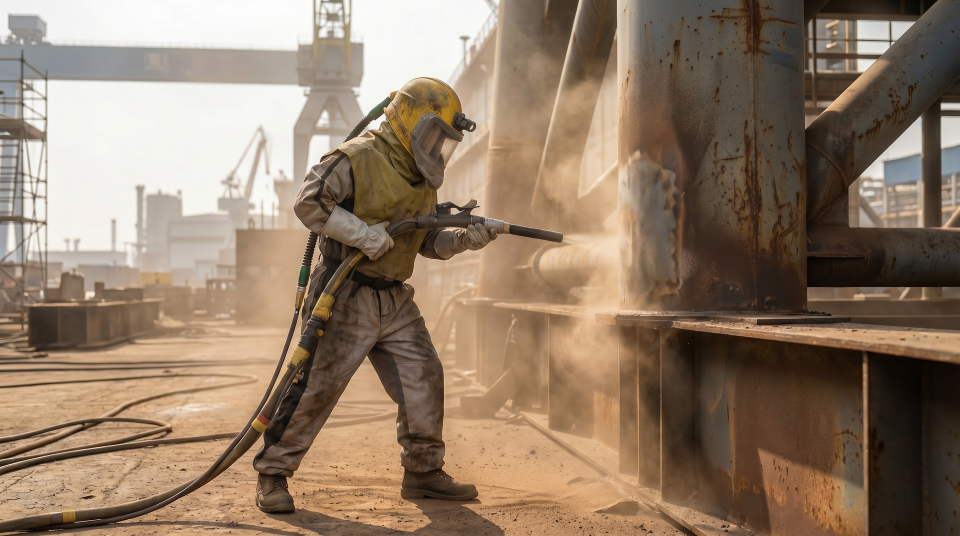
The difference shows up clearly in surface prep and finishing. Abrasive blasting is hard, continuous work with high dust loads and little time to stop; spray coating cycles often run long with solvent vapors that fluctuate as weather or ventilation changes. Both scenarios wear out APR fast and push PAPR beyond comfort and duration because PAPR doesn’t offer enough return in blasting, coating, petrochemical shutdowns or wastewater utilities: the work is simply too continuous, too hot and too variable.
Where the Line Shifts by Environment
A few quick examples from APAC and the Middle East, where Bullard sees most industrial activity:
| Industrial Scenario | Conditions and Environment | Practical Considerations |
|---|---|---|
| Marine/Yards (blasting and coating) | • continuous workload • solvent/abrasive material variability • outdoor/indoor mix • strict turnaround window | SAR becomes the safest choice |
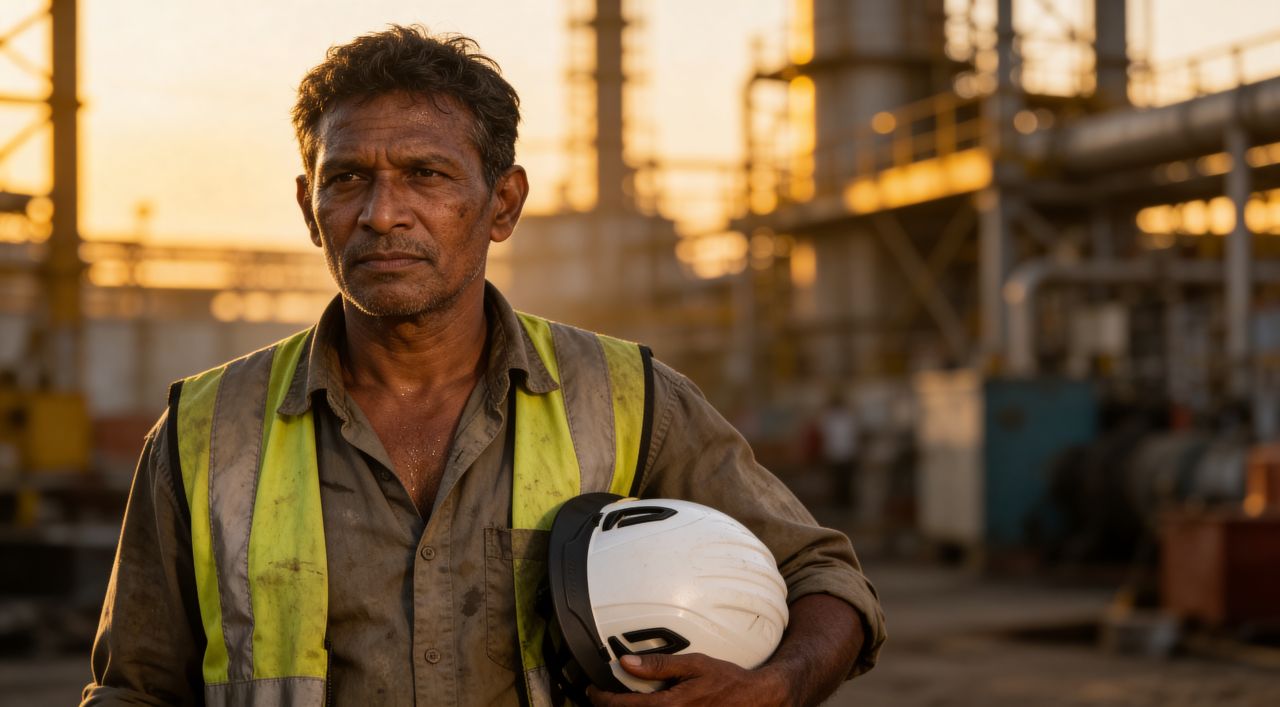
| Petrochemical shutdowns | • multiple trades in parallel • atmospheres open and change • ventilation inconsistent | Ambient dependency becomes a risk |
| Utilites/Wastewater | • aerosols and gas potential •atmosphere variability by zone | Filtration viable until workload/duration increases |
| Aerospace MRO (non-tank) | • solvents during finishing • extended cycle time | SAR improves comfort and consistency |
Duration and Workload Decide More Than People Think
Many companies evaluate respirators on hazard alone. Industrial risk assessment looks at particulates, vapors or aerosols and makes a selection. But operational life on site tells a different story.
The questions workers quietly ask are:
- “Can I breathe comfortably for the next 4 hours?”
- “Do I have to stop mid-task to change something?”
- “Does this slow down blasting or coating?”
SAR exists partly because the answer to those questions is often no for APR and only sometimes for PAPR — and mostly in controlled environments.
Confined Space Changes Everything
Once work moves into a confined space, the first question isn’t comfort; it’s whether the air is even safe to breathe. Oxygen levels, toxic gases and ventilation call the shots. However, once that box is ticked, the realities of industrial maintenance return. Confined spaces are hot, cramped and unforgiving, and long tasks demand airflow that workers can live with. Supplied air solves both problems. The upcoming Part 2 of this series will cover confined space hazards and why SAR often becomes the default for maintenance entries.